
If you own a commercial building or a home with a flat roof, you have likely heard of various modern roofing materials. One of the most popular and fastest-growing options on the market today is TPO.
But exactly what is TPO roofing, and why is it taking the construction industry by storm?
In this guide, we will break down everything you need to know about this highly efficient material.
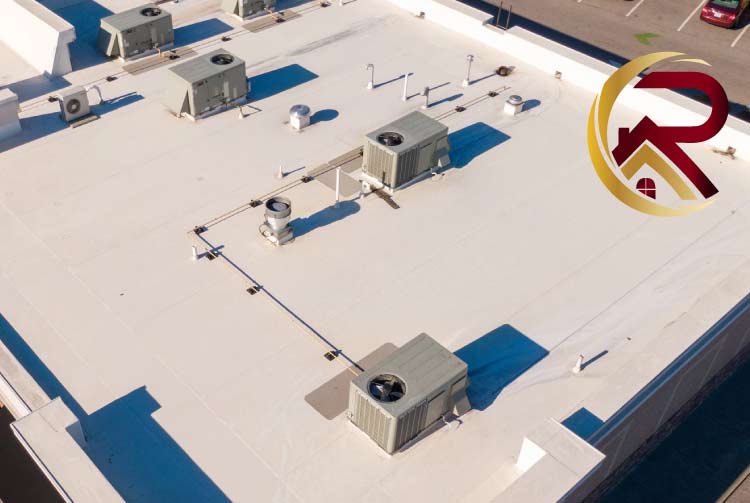
Understanding the Composition of TPO
TPO stands for Thermoplastic Polyolefin. Despite its highly technical name, it is essentially a durable blend of different types of rubber, typically polypropylene and ethylene-propylene.
This single-ply roofing membrane is engineered to provide the flexibility of rubber combined with the proven performance of hot-air weldable seams.
Because it can cover large, flat areas efficiently and securely, it has become exceptionally popular for commercial roofing projects across the country.
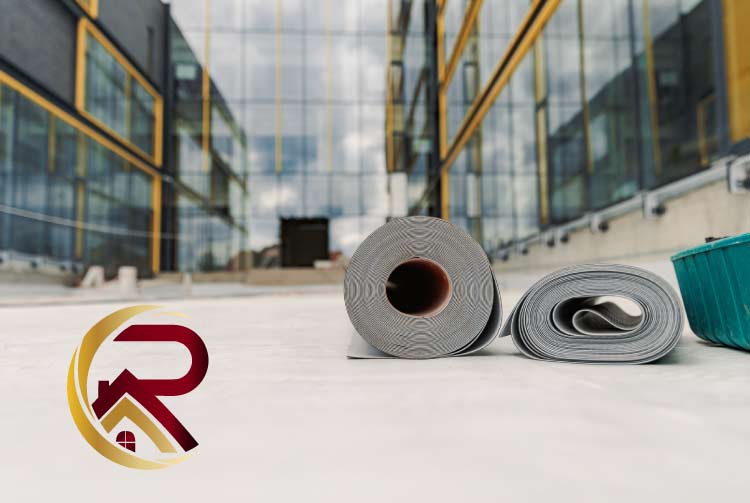
Key Benefits of TPO Roofing Systems
There are several compelling reasons why property owners are choosing TPO membranes over traditional flat roof options like EPDM or built-up tar roofing.
-
Exceptional Energy Efficiency: TPO membranes are naturally UV-resistant and highly reflective. The white surface keeps the building much cooler, which can significantly reduce HVAC costs during the blazing summer months.
-
Cost-Effectiveness: When compared to other commercial and flat residential materials, TPO offers an incredible balance of low upfront cost and long-term performance.
-
High Durability: The material strongly resists dirt accumulation, tears, punctures, and damaging mold growth.
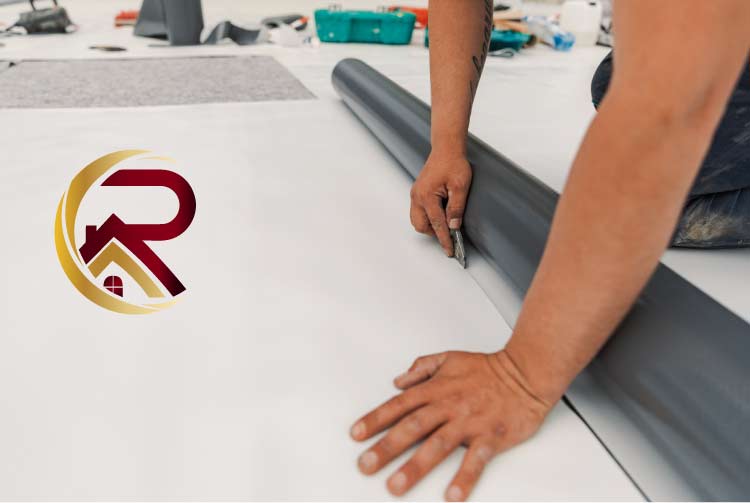
How TPO Roofs Are Installed
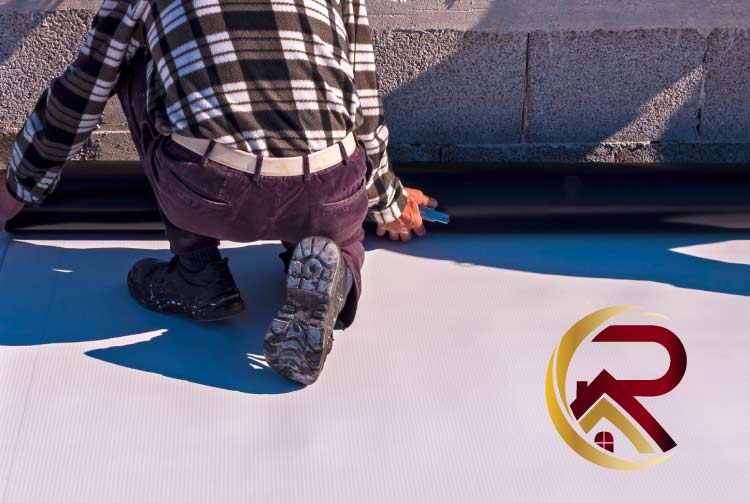
A critical factor in the success of any flat roof is the meticulous
The most significant advantage of TPO is its unique seaming method. The edges of the sheets are hot-air welded together. This creates a watertight, monolithic bond that is actually stronger than the membrane itself, making the roof highly resistant to leaks and standing water.
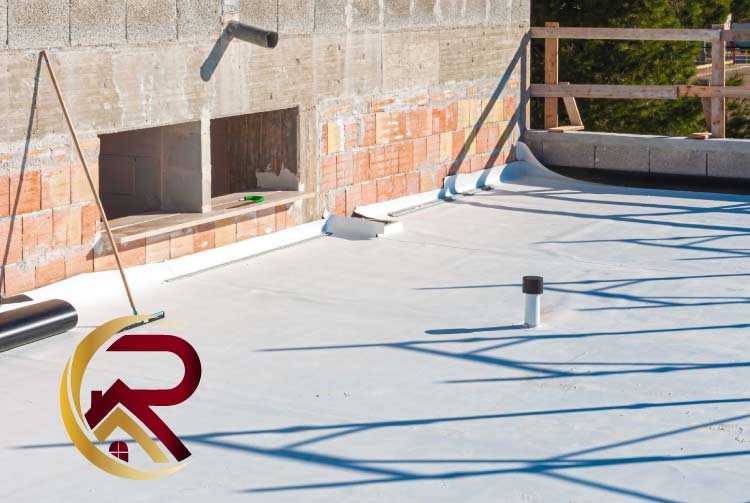
Is TPO the Right Choice for Your Property?
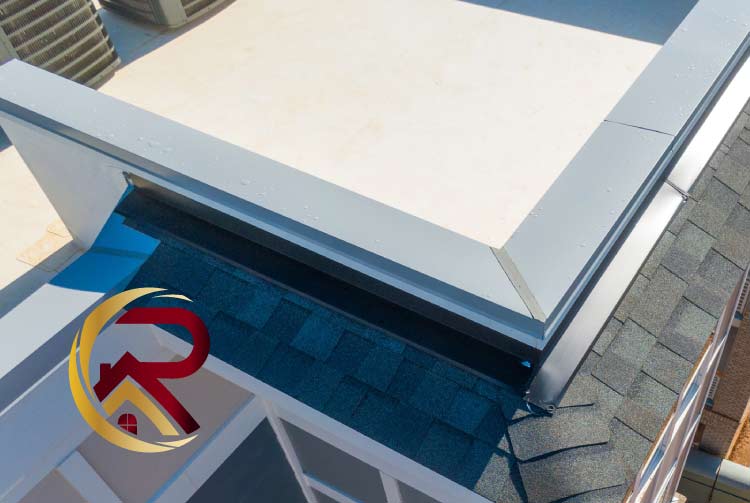
When asking what is tpo roofing, it is equally important to ask where it belongs. TPO is exclusively designed for flat or low-slope roofs.
You will rarely see it installed on a steep-sloped residential home, where a traditional
Maintenance and Long-Term Longevity
How long does a TPO roof last? With proper care, a high-quality TPO system can easily last 20 to 30 years. Regular maintenance is relatively straightforward for building owners.
You simply need to keep the surface free of sharp debris and ensure all drainage systems remain clear. If a seam does begin to lift or an accidental puncture occurs, specialized
Trust Capital Roofcare & Renovation
Choosing the right roofing material is only half the battle; hiring the right local contractor is essential.
At Capital Roofcare & Renovation, we specialize in delivering top-tier roofing solutions for both residential and commercial properties.
Whether you need a comprehensive inspection, a minor emergency repair, or a brand-new energy-efficient flat roof, our licensed team is here to help. We are deeply committed to protecting your investment with high-quality craftsmanship that stands the test of time.
Frequently Asked Questions (FAQs)
Can you safely walk on a TPO roof?
Yes, you can walk on a TPO roof for routine maintenance and HVAC inspections. However, like any roofing system, excessive foot traffic can cause premature wear and tear. It is highly recommended to install dedicated walkway pads in high-traffic areas.
Does TPO roofing come in different colors?
While bright white is the most common color due to its excellent heat-reflective properties, TPO is also widely available in light gray and black. White remains the standard choice for maximizing energy efficiency in warmer, sun-heavy climates.
Can TPO be installed directly over an existing roof?
In many cases, yes. TPO can often be installed as a “recover” system directly over an existing flat roof, provided the underlying structural deck is sound and completely dry. This method can save property owners significant money on tear-off and disposal costs.
How does TPO handle extreme weather conditions?
TPO is a highly flexible material, allowing it to seamlessly expand and contract with extreme temperature fluctuations without cracking. It is also highly resistant to strong wind uplift, harsh chemical exposure, and damaging hail.
Is TPO considered an environmentally friendly material?
Yes, TPO is widely considered an eco-friendly roofing option. Not only does its highly reflective surface lower energy consumption and reduce the urban heat island effect, but the rubber and plastic material itself is also 100% recyclable at the end of its useful lifespan.